The following chromatogram shows the semaglutide API with spiked mono-AEEA, tri-AEEA, and -Ala to demonstrate their elution positions relative to the main peak
In addition, AOPPs upregulate the Wnt/-catenin pathway through the receptor for advanced glycation end-products (RAGE) receptor, contributing to podocyte dysfunction [60]
In dogs under physiologic strain, oxidative stress can be higher, which is where antioxidant support may be considered
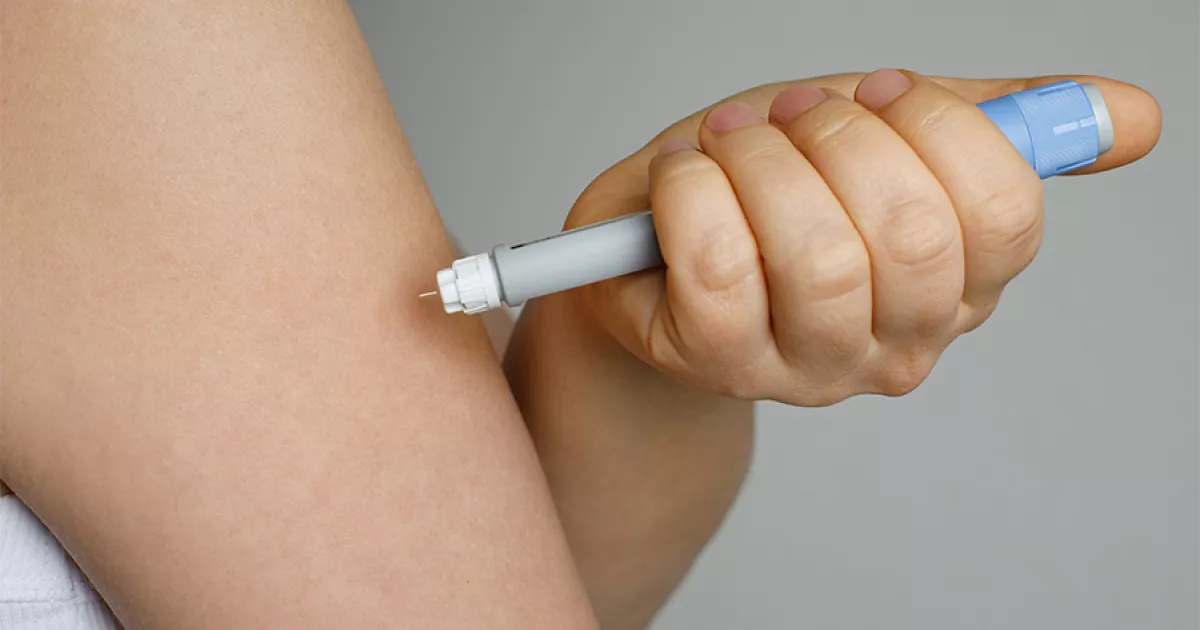
Ozempic Pharmacokinetics (ADME): Absorption, Distribution, Metabolism, and Elimination of Semaglutide Ozempic Pharmacokinetics (ADME): How Semaglutide Moves Through Your Body At a glance Drug / Brand / Dose forms / Semaglutide (Ozempic) 0.5 mg, 1.0 mg, or 2.0 mg subcutaneous injection Tmax / 1 to 3 days post-injection Steady-state / Reached after 4 to 5 weekly doses Protein binding / More than 99%, primarily to albumin Half-life / Approximately 1 week (roughly 165 hours) Bioavailability (subcutaneous) / 89% Volume of distribution / Approximately 12.5 L Metabolism / Proteolytic cleavage of the peptide backbone and fatty acid side chain Primary elimination / Urine and feces (roughly equal split) Dose-proportional exposure / Yes, across the 0.25 to 2.0 mg range How Semaglutide Works: Mechanism of Action Semaglutide is a glucagon-like peptide-1 (GLP-1) receptor agonist that shares 94% amino acid homology with native human GLP-1 but has been engineered to resist enzymatic degradation









:max_bytes(150000):strip_icc():focal(710x110:712x112)/FDA-Updates-Ozempi-Label-Amid-Concerns-Over-Intestinal-Blockages-Linked-to-Semaglutide-Based-Drugs-092923-c374c02352e2400ea820da6d0cf2abc5.jpg)